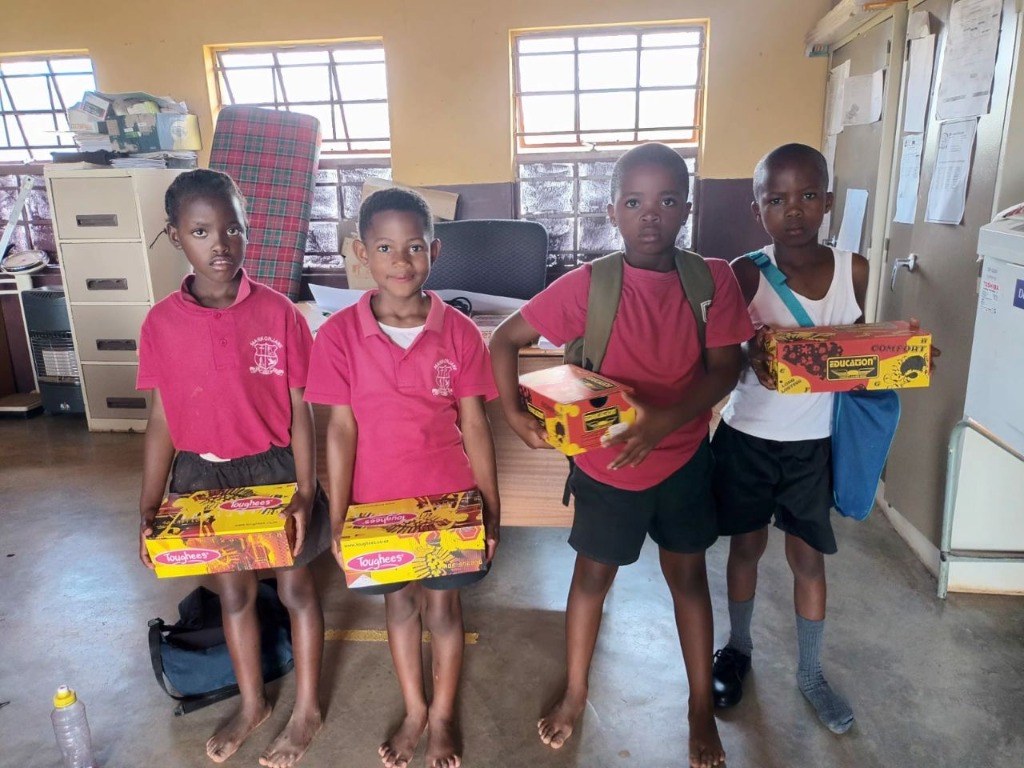
Peer-reviewed research from Stellenbosch University published in BMC Pediatrics found that 98% of standard commercial school shoes in South Africa were too narrow and 59% were the wrong length for habitually barefoot children's naturally wider feet. Measuring learners directly with school principals before handover prevents blisters, foot deformities, and avoidable absenteeism.
What Stellenbosch University discovered about South African children's feet
Well-meaning donors often buy fifty random pairs of school shoes on sale and drop them off at a rural school expecting every child to make do. Clinical research conducted in South Africa shows why random sizing causes quiet harm.
A peer-reviewed study by Stellenbosch University researchers (Breet and Venter, published in BMC Pediatrics) examined the feet of habitually barefoot South African children against standard commercial school shoe moulds. Their findings were stark: 98% of the commercial school shoes tested were too narrow for the children's naturally wider forefoot, and 59% did not match the child's proper foot length.
Why habitually barefoot rural learners need wider, accurate sizing
Children who grow up walking barefoot across rural soil and grass develop stronger arches and wider toe splay than children who wear narrow sneakers from toddlerhood. When a rural primary learner is forced into a narrow, wrong-length hand-me-down shoe and asked to walk 20km round-trip to school, toes pinch together, blisters open within forty-eight hours, and children quietly take the shoes off halfway down the road.
Over several school years, cramped footwear causes painful calluses, hallux valgus pressure, and chronic reluctance to wear uniform shoes at all. The problem is rarely a lack of generosity from donors; it is skipping the five minutes of sizing work before purchasing.
How Sothule Foundation fixes the sizing gap on the ground
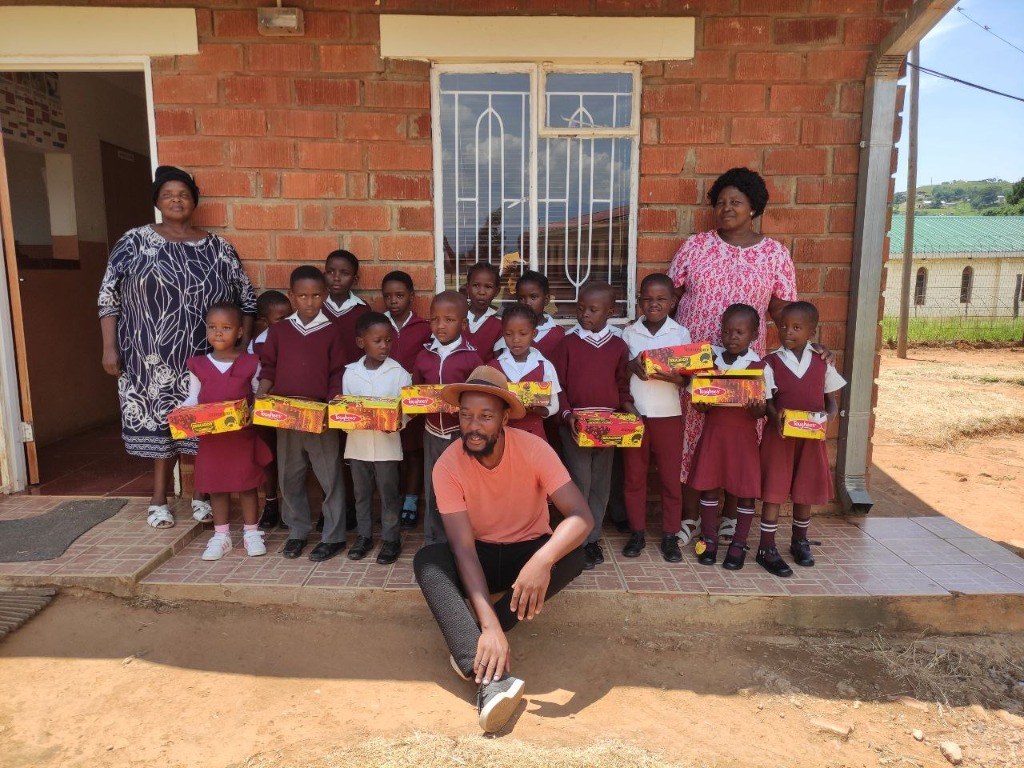
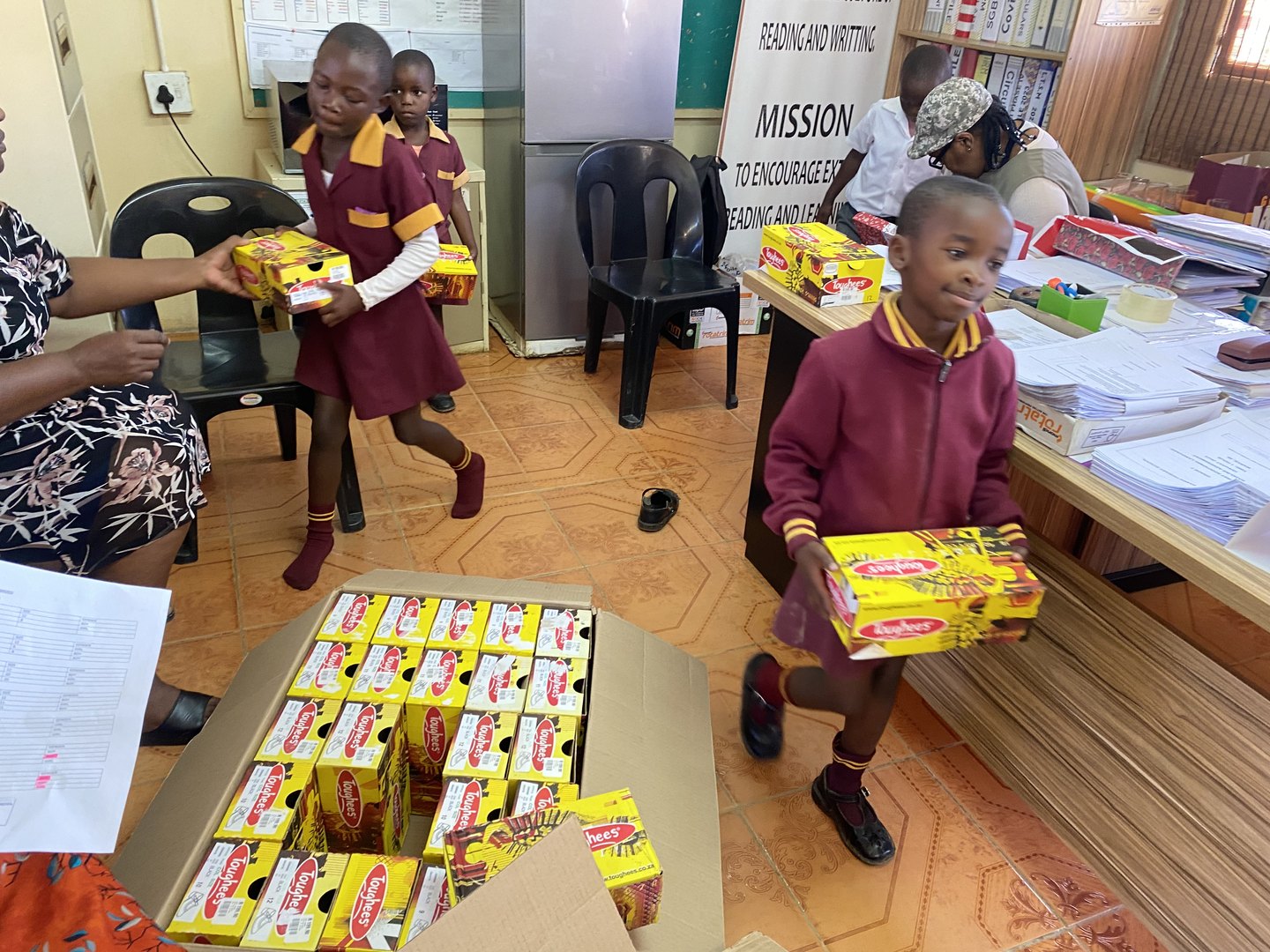
Before Sothule Foundation orders a single box for a rural school, our coordinators gather grade-by-grade size lists directly from the school principal and class teachers. On handover day, learners line up in the school office or classroom to try their leather school shoes right in front of educators and our volunteers so any tight toe box can be swapped immediately from spare half-up sizes on site.
That simple discipline turns a photo opportunity into a genuine full-year investment in a child's physical comfort and classroom focus.
Direct Answers for Donors & Partners
What did the Stellenbosch University school shoe study find?
Researchers from Stellenbosch University publishing in BMC Pediatrics found that 98% of standard commercial school shoes were too narrow and 59% were the wrong length for habitually barefoot South African children.
Why should donors avoid buying random shoe sizes for rural charities?
Random retail assortments frequently leave young primary learners with tight, painful shoes or oversized boxes that cause tripping on long rural walks. Direct school size lists ensure every pair matches a real child.
How does Sothule Foundation verify learner shoe sizes?
We collect exact learner sizes directly through partner rural school principals prior to procurement and verify comfort with educators and children on handover day.