According to Statistics South Africa's General Household Survey and National Household Travel Survey, roughly 60% to 68% of South African school-going children walk all the way to school, representing more than 10 million learners every weekday. Despite a 5km national scholar transport policy threshold (3km in KwaZulu-Natal), provincial backlogs leave rural learners walking up to 20km round-trip.
What official South African data shows about walking to school
Walking is not a fringe exception in South African education; it is the national norm. Data published by Statistics South Africa through its General Household Survey (GHS) and National Household Travel Survey (NHTS) consistently shows that between 60% and 68% of school-going children walk all the way to school each morning, putting more than 10 million learners on foot across the country every weekday.
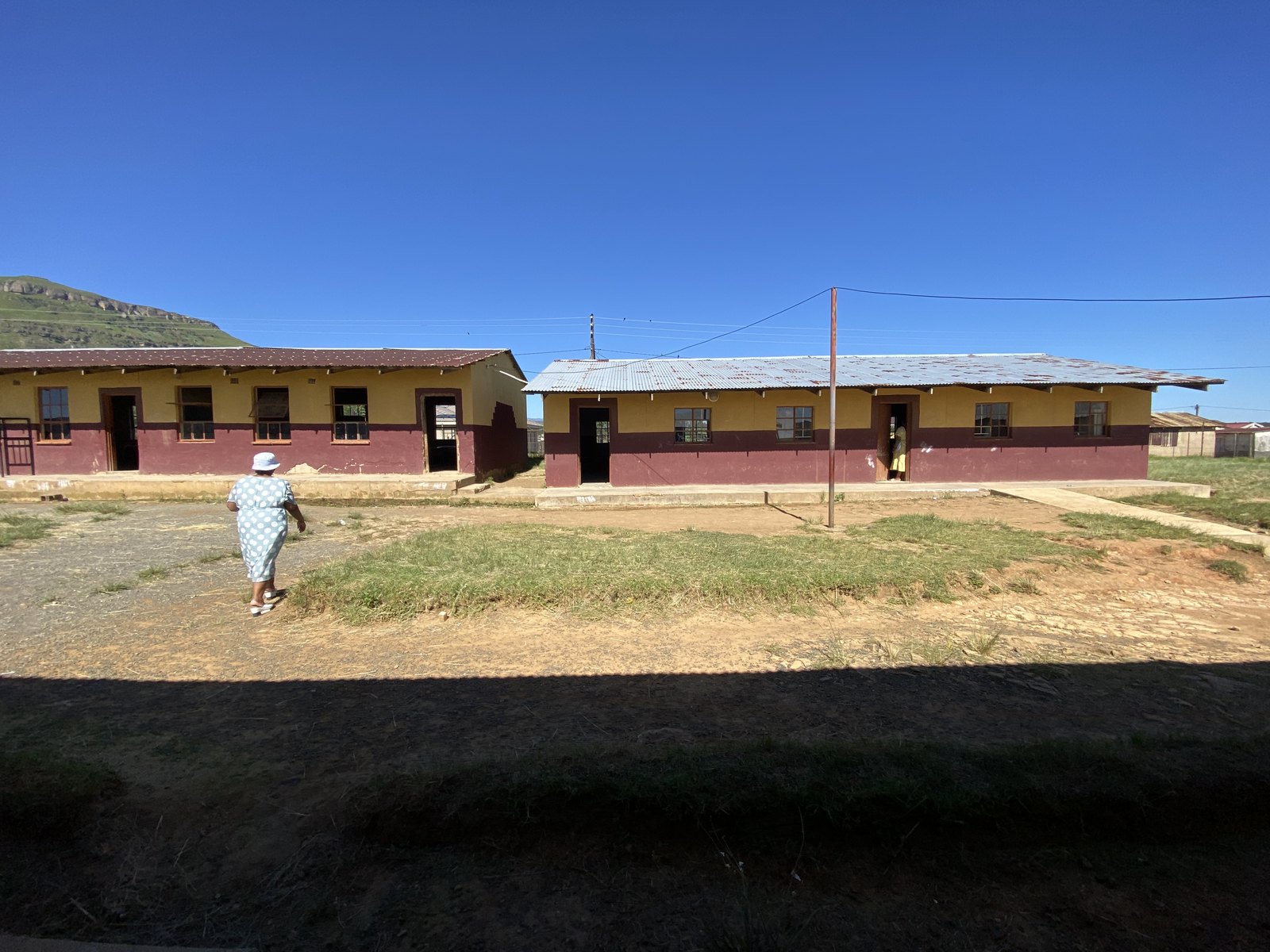
While urban learners may walk ten to twenty minutes on paved pavements, rural provinces carry the steepest physical burden. KwaZulu-Natal, the Eastern Cape, and Limpopo hold the largest concentrations of learners walking extended distances along unpaved rural roads without street lighting or reliable public transit.
The gap between South Africa's scholar transport policy and rural ground reality
Under South Africa's National Learner Transport Policy, learners living 5km or further from their nearest public school (and 3km under historic KwaZulu-Natal provincial criteria) are meant to qualify for state-subsidised scholar transport. On paper, that threshold should shield young children from gruelling commutes.
In practice, provincial budget shortfalls, unpaved feeder roads that buses refuse to enter during rain, and persistent contractor backlogs leave tens of thousands of rural learners walking one to three hours every day. Across the remotest parts of Southern Africa, round-trip daily school walks reach 20km on average.
How long rural walks affect classroom concentration and attendance
A child who wakes before sunrise to walk ten kilometres each way arrives at first period physically drained, often hungry, and already carrying sore feet if their shoes are torn or missing. During rainy months or highveld winter frost, attendance drops sharply across rural primary grades simply because crossing cold mud without durable leather footwear is painful.
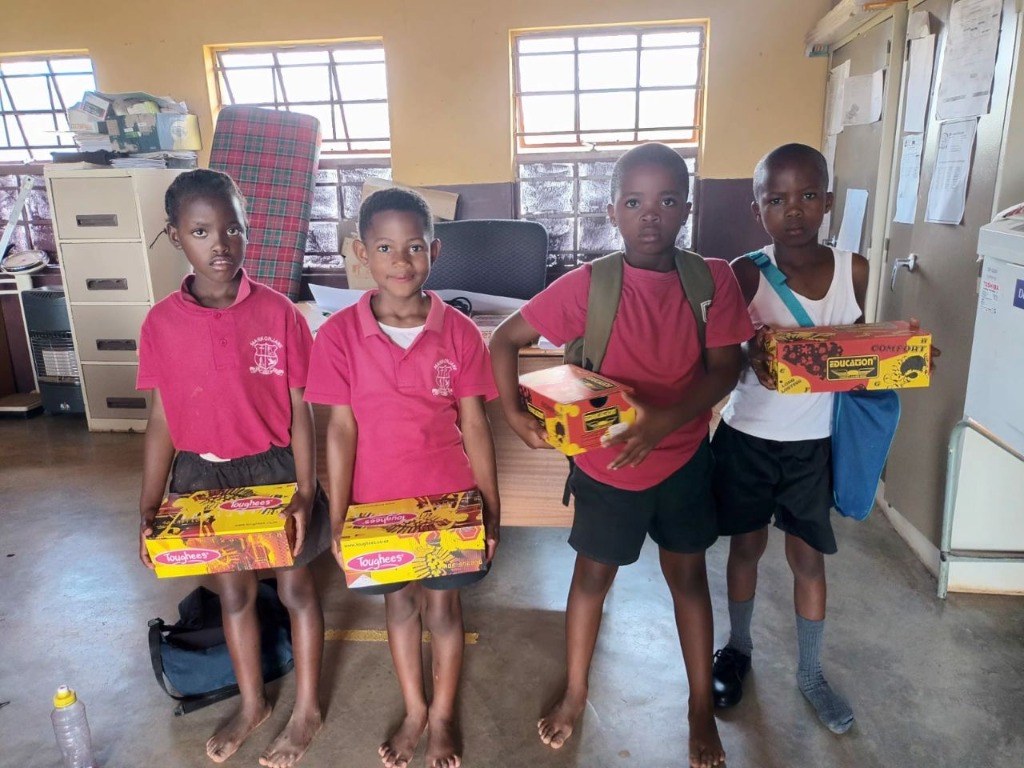
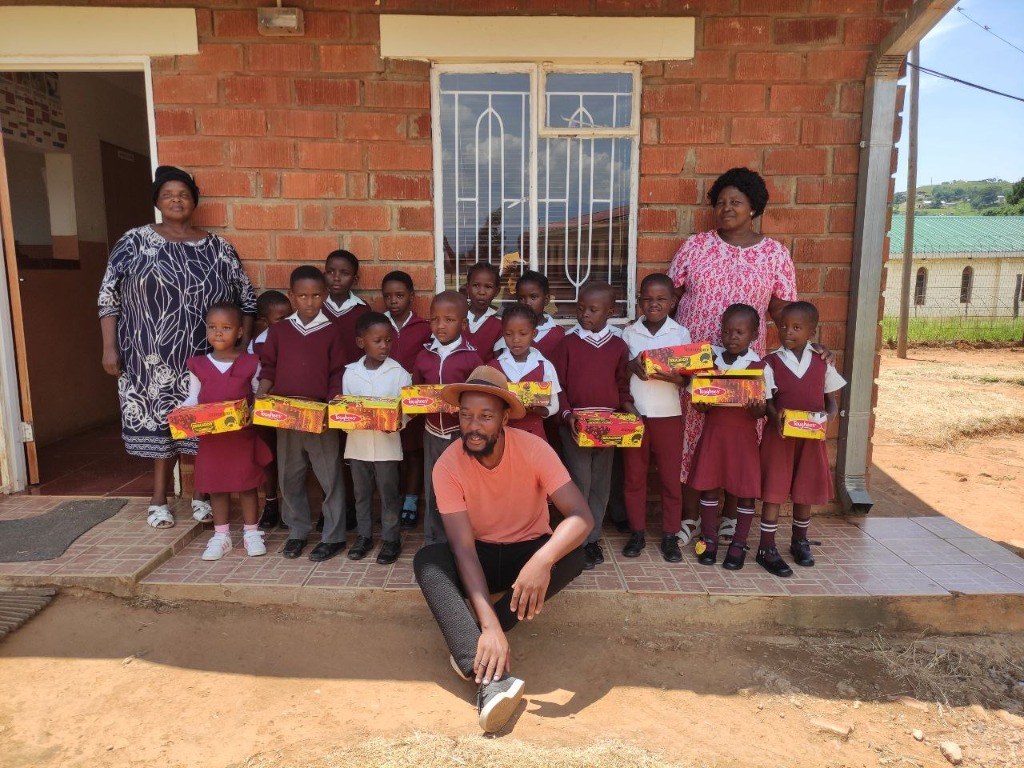
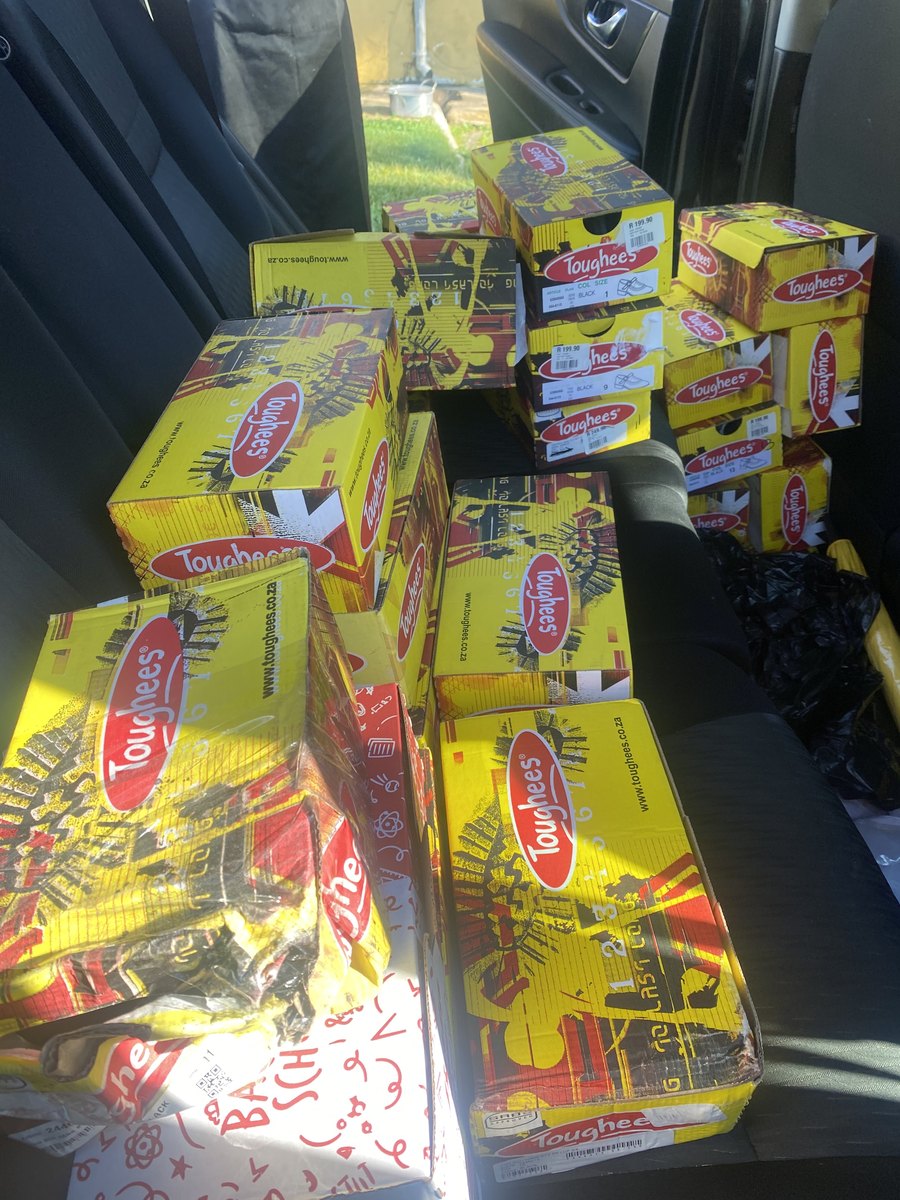
Policy reform and rural bus expansion must continue, but a seven-year-old cannot wait five years for a tender to clear. Sothule Foundation works right inside that immediate gap: getting sturdy leather school shoes directly onto rural learners' feet since 2021 while building toward 30% of South Africa's rural areas by 2029.
Direct Answers for Donors & Partners
What percentage of South African children walk to school?
Statistics South Africa's General Household Survey and National Household Travel Survey indicate that roughly 60% to 68% of South African learners walk all the way to school, totalling over 10 million children daily.
What is the official distance threshold for state scholar transport in South Africa?
Under the National Learner Transport Policy, learners walking 5km or more each way (and 3km under historic KwaZulu-Natal guidelines) qualify for state scholar transport, though provincial backlogs leave many rural learners walking far longer.
Which South African provinces have the heaviest rural walking distances?
Rural communities in KwaZulu-Natal, the Eastern Cape, and Limpopo experience the highest concentration of long-distance learner walks and scholar transport backlogs.